Sleep Deprivation and Creatine: A Neurological Shield?
Dr. Elena Vance
Chief Medical Editor
Sleep Deprivation and Creatine: A Neurological Shield?
Can creatine help maintain cognitive function after a poor night of sleep? Emerging trials suggest a protective effect worth watching.
Sleep deprivation taxes far more than mood. It slows reaction time, impairs memory, and reduces willingness to sustain effort. That is why researchers are increasingly interested in creatine as a resilience tool, not just a performance enhancer.
The Brain Energy Angle
Creatine helps buffer cellular energy demand, and the brain is one of the most energy-sensitive organs in the body. In sleep-restricted conditions, that buffering effect may help maintain cognitive output for longer.
Early evidence points to benefits in short-term memory, decision-making, and perceived mental fatigue, especially when sleep debt accumulates across several days.
Creatine will not replace sleep, but it may reduce how sharply performance collapses when recovery is imperfect.
Who Benefits Most
Athletes in competition, shift workers, students, and frequent travelers may all have practical reasons to consider creatine for neurological support. The strongest case is still consistency over time, not one-off rescue dosing.
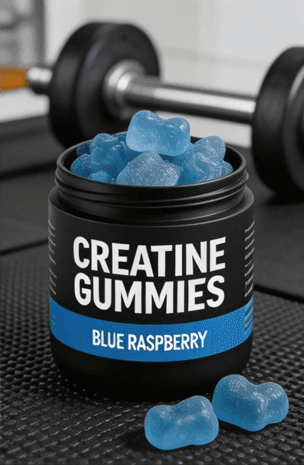
That makes gummy delivery appealing: portable, predictable, and easier to maintain during the exact routines that usually disrupt sleep in the first place.
Community Insights
I switched three weeks ago. The biggest difference for me is not even the gym. It is the mental clarity without dealing with gritty powder.
Finally, a supplement that does not ruin my smoothie texture. Gummies fit my travel routine much better than powder.
Add to the Conversation
Continue Reading
View all articles