Synergistic Eating: Pairing Creatine with Electrolytes.
Dr. Elena Vance
Chief Medical Editor
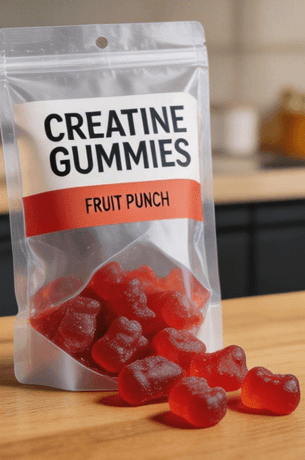
Synergistic Eating: Pairing Creatine with Electrolytes.
Maximizing cellular hydration requires more than just water. Learn the sodium-potassium-creatine triangle of optimal performance.
Creatine does not work in isolation. Cellular hydration, sodium transport, and potassium balance all shape how efficiently muscle tissue stores phosphocreatine.
Why Electrolytes Matter
When athletes increase creatine intake, intracellular water retention often rises with it. That process depends on adequate sodium and potassium availability, especially in training blocks with high sweat loss.
A low-electrolyte routine can leave athletes flat, under-recovered, and less responsive to supplementation. In practice, creatine works best when hydration strategy is treated as part of the protocol, not an afterthought.
High-performance supplementation is rarely about a single ingredient. It is about the quality of the system around it.
A Practical Stack
For most athletes, a simple daily structure works well: consistent creatine intake, adequate sodium around training, and potassium-rich foods across the day. This supports fluid balance without overcomplicating the routine.
The result is not just better water retention. It is improved repeat effort capacity, steadier energy, and a more reliable response to training load.
Community Insights
I switched three weeks ago. The biggest difference for me is not even the gym. It is the mental clarity without dealing with gritty powder.
Finally, a supplement that does not ruin my smoothie texture. Gummies fit my travel routine much better than powder.
Add to the Conversation
Continue Reading
View all articles